


Massage techniques are widely and effectively used in treatment of autism spectrum disorders (ASDs) to address sensory issues, motor problems and touch receptivity. However, the variety of different styles of massage available often leaves parents baffled and unsure about which touch therapy treatment is best for their child.
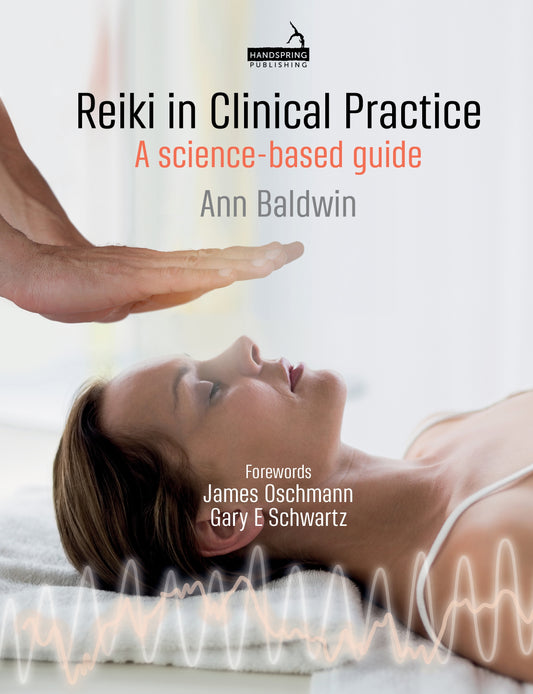
This practical guide explains how massage works, how the body senses touch, and how touch therapy can benefit children with ASDs. The book goes on to describe exactly what each type of massage entails and covers anatomy-oriented massages, energy-based massages and therapeutic bodywork, helping readers to tell Reiki from reflexology, a Swedish from a sports massage, or tuina from a Thai massage. With recommendations for selecting the right style of massage, advice on locating a practitioner, and tips on preparing a child with an ASD for massage, this book is the perfect resource to find a therapy - or combination of therapies - to suit the individual needs of each child.
This book will be essential reading for all parents and caregivers interested in the benefits of therapeutic massage and bodywork for children and adolescents with ASDs, and practitioners looking at alternatives for therapeutic intervention.
Acknowledgements. Preface. 1. Introduction. How to Use This Book. 2. Massage and Body Work. Defining Massage. Benefits of Massage. Sensory Processing and Massage. 3. Senses and the Nervous System. Nerves and Actions. Sense. The Special Senses. The Sense of Touch. 4. Sensations and Awareness. Tactile Sensation. Thermoreceptors and Temperature. Mechanoreceptors and Pressure. Nociceptors and Pain. Proprioception. Adaptation. 5. Touch and Communication. Communication, Sensation, and Movement. Sensory Understanding. 6. How Massage and Touch Work. 7. Anatomy-Oriented Massage. Swedish Massage. Sports Massage. Deep Tissue Massage. Orthopedic Massage. Neuromuscular Massage. Myofascial Release. Medical Massage. Craniosacral Therapy. Structural Integration. 8. Energy-Based Bodywork. Reflexology. Polarity Therapy. Traditional Energy-Based Massage. Tuina. Shiatsu. Qi Gong Massage. Thai Massage. Acupressure-Based Bodywork. Jin Shin Jyutsu. Jin Shin Do. AMMA Therapy. Non-Contact Energy Therapies. Therapeutic Touch. Healing Touch. Reiki. 9. Other Styles of Touch-Based Therapeutic Bodywork. Watsu. Feldrenkrais. Hellerwork. Trager Approach. Alexander Technique. 10. Choosing a Style of Massage. Finding a Practitioner. Laws Regulating Massage. Health Insurance Reimbursement. Contraindications and Precautions. 11. Massage for Children: Special Considerations. Preparing the Child for Massage. Information and Consent. Introducing the Child to Massage. Growth and Development. Learning Massage for Parents/Caregivers. Coordinating Massage with the Therapy Team. Tables and Figures. References. Further Reading. Index.
'Highlighting varied approaches to the science of touch, massage therapist, educator, and author Virginia Cowen provides resources for parents committed to enhancing the health of their children with autism spectrum disorders (ASD)... this recommended guide outlines touch-based massage and non-touch energy work, serving both the ASD community and others with an interest in alternative health options.'
- ForeWord Reviews
Virginia S. Cowen, PhD is a massage therapist, exercise physiologist and yoga and Pilates instructor. She is Associate Professor of Massage Therapy at Queensborough Community College, The City University of New York. Dr. Cowen also maintains a small private fitness and bodywork practice in New York City and Bergen County, New Jersey.

2011, Paperback: £13.99/ $19.95
ISBN: 978-1-84819-049-8, 234mm x 156mm / 9.25in x 6in, 208pp
Maxine Aston
Singing Dragon is an imprint of Jessica Kingsley Publishers. Jessica Kingsley Publishers is a limited company registered in England. Registered number: 2073602. VAT Reg. No: 455 2134 66.
© 1996, 2013 Jessica Kingsley Publishers.